If you’re tired of watching pests like aphids, ants, mites, whiteflies, caterpillars, and slugs ravage your garden, you’re not alone. Many gardeners struggle with keeping their plants safe without resorting to harsh chemicals that can harm the environment, beneficial insects, and even the food we eat. Luckily, there’s a simple, natural, and highly effective solution you can whip up right in your own kitchen.
Today, I’m excited to share with you a tried-and-true homemade garden bug spray recipe that insects avoid like the plague! This natural insecticide is not only safe for your plants but also tough on a wide variety of garden pests. Plus, I’ll reveal a secret optional ingredient that can supercharge your spray and make it even more effective.
Whether you have a sprawling backyard garden or a few containers on your balcony, this recipe will help protect your precious fruits, vegetables, and flowers without any synthetic chemicals. Let’s dive into how to make this powerful, 100% chemical-free bug spray and how to use it for best results.
Why Choose a Homemade Natural Bug Spray?
Commercial insecticides often contain chemicals that can be harmful to beneficial insects like bees and ladybugs, contaminate soil and water, and even pose health risks to humans and pets. By making your own natural bug spray, you control exactly what goes on your plants, ensuring it’s safe, organic, and environmentally friendly.
This homemade spray harnesses the power of everyday kitchen ingredients known for their insect-repelling properties. Garlic, onion, chili peppers, turmeric, and oils combine to create a potent blend that bugs hate but your plants love.
Plus, this remedy is budget-friendly and easy to scale to your garden’s size. It’s a win-win for gardeners who want to protect their crops naturally while promoting a healthy ecosystem.
Gathering Your Ingredients and Tools
To make this homemade garden bug spray, you’ll need the following ingredients:
- Garlic powder (or fresh garlic)
- Onion flakes or onion powder (or fresh onion)
- Red chili flakes (or fresh chili peppers)
- Turmeric powder (or fresh turmeric rhizome)
- Oil: choose from organic olive oil, grape seed oil, avocado oil, or neem oil
- Natural, unscented or lightly scented plant-based soap
For tools, a high-powered blender like a Vitamix or a regular kitchen blender works well. You’ll also need a large pot for boiling, a quart jar or container, a garden sprayer, and a filtration bag (such as a nut milk bag) to strain the mixture before spraying.
Important note: Avoid using canola or vegetable oils that may be genetically modified, as plants absorb some of the ingredients when sprayed, and you want to keep your garden as natural and organic as possible.
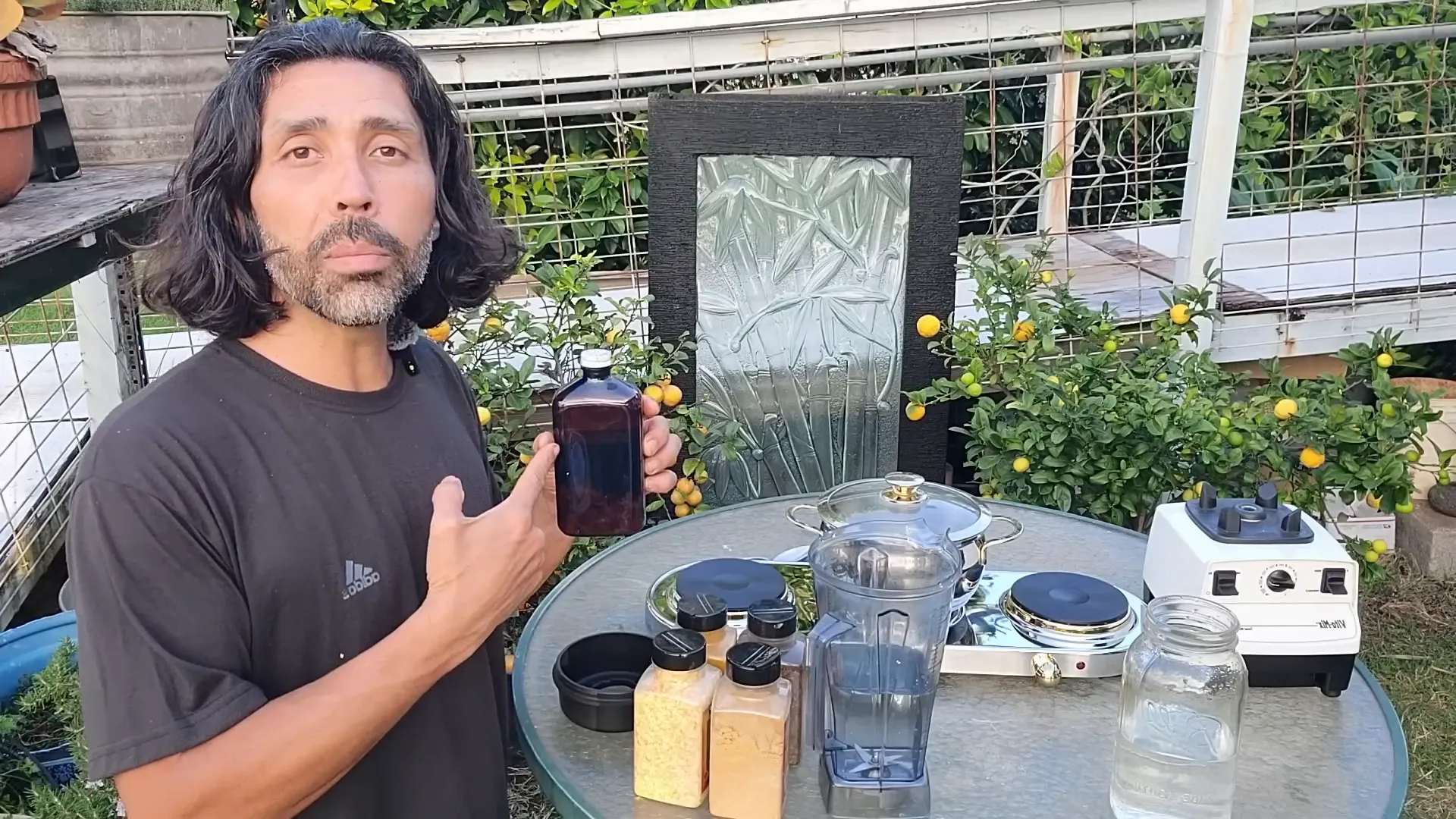
Step-by-Step Recipe to Make Your Super Concentrated Bug Spray
Today, I’m making a half-gallon of super concentrate that can be diluted to make two gallons of ready-to-use spray. If you need less, simply halve the quantities.
- Start with water: Pour half of the water you plan to use into your blender. For this batch, that’s about half a gallon (64 ounces).
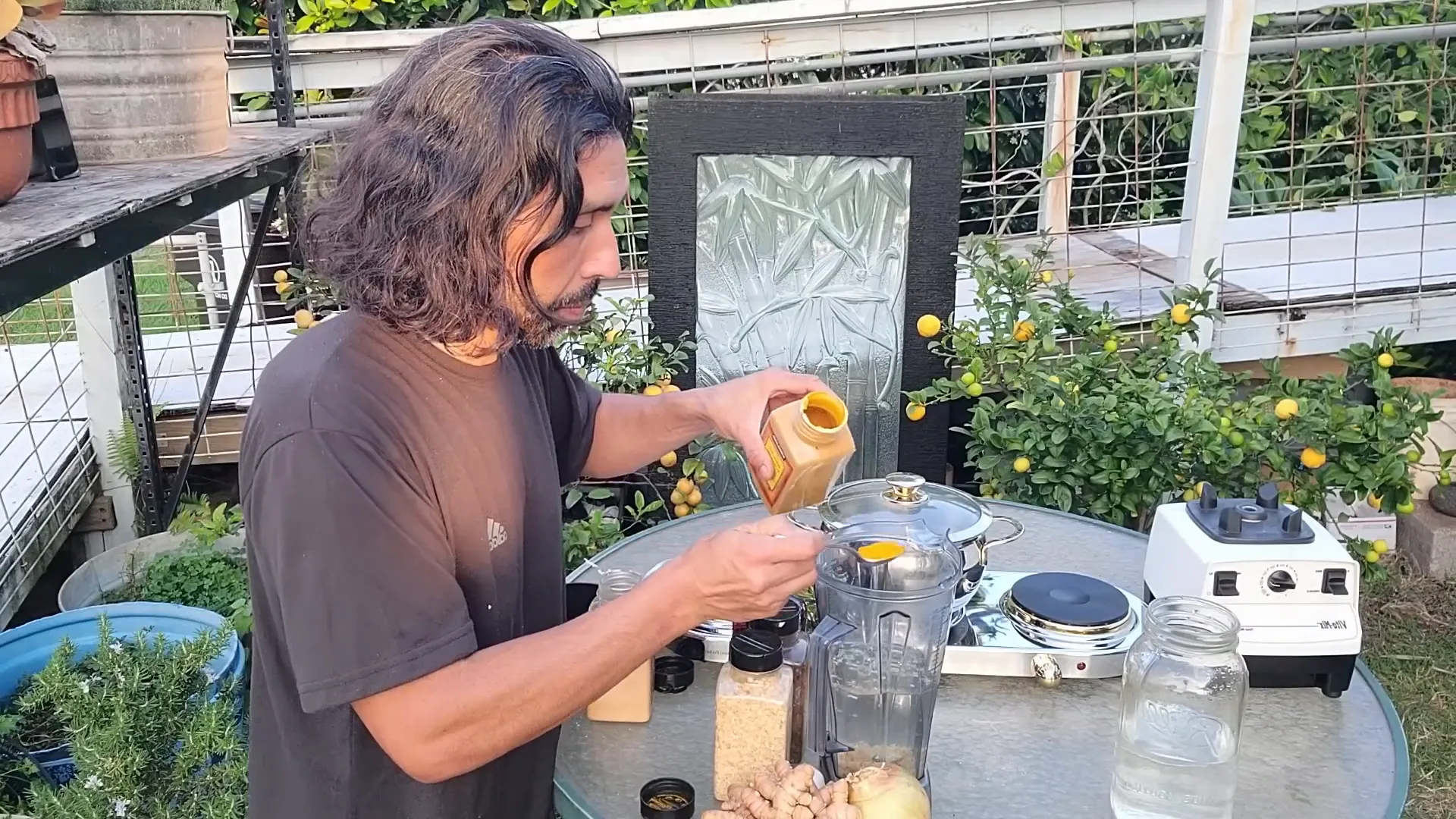
- Add spices: Add one tablespoon each of garlic powder, onion flakes (or powder), red chili flakes, and turmeric powder.
- Blend: Blend the mixture thoroughly until well combined.
If you’re using fresh ingredients instead of powders, here’s the equivalent:
- One whole fresh onion, chopped
- One garlic clove, minced
- Four to five fresh chili peppers, chopped
- A large turmeric rhizome (not the whole root, but a nice-sized piece), peeled and chopped
Keep in mind that fresh ingredients provide a stronger, more vibrant base, but dried spices work just fine and have the added benefit of longer shelf life.
Handling Your Ingredients Safely
When working with chili peppers and garlic, be careful not to spray against the wind to avoid getting the spray in your eyes. Wearing protective eyewear is highly recommended.
Also, because I live in a tropical area with high humidity, my garlic powder got sticky and clumped a bit inside the container. So I loosened it up before adding it to the blender to ensure an even mix.
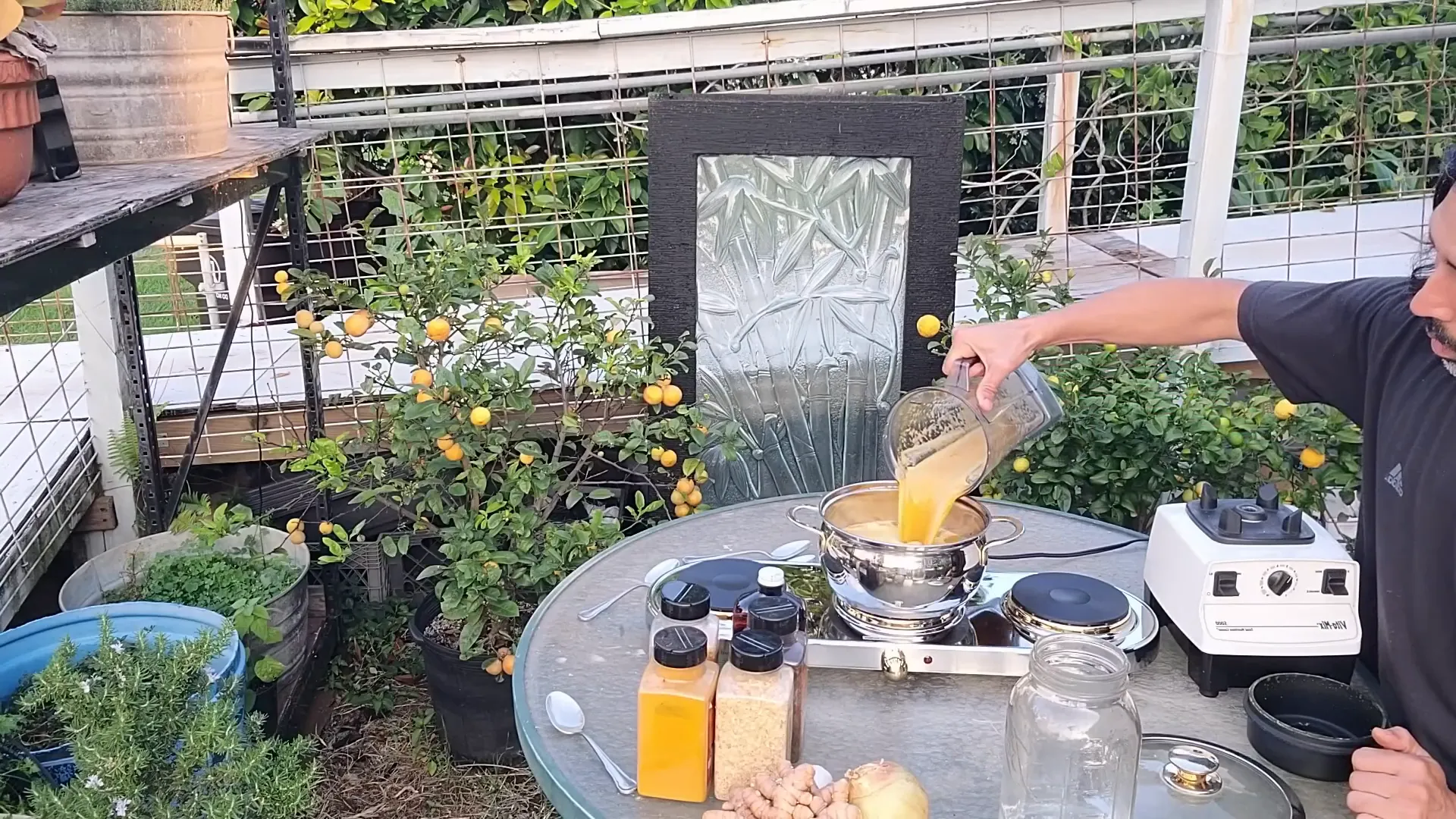
Cooking and Cooling the Mixture
After blending, pour the mixture into a large pot and bring it to a boil. Boiling helps to extract the active compounds from the ingredients, making the spray more potent.
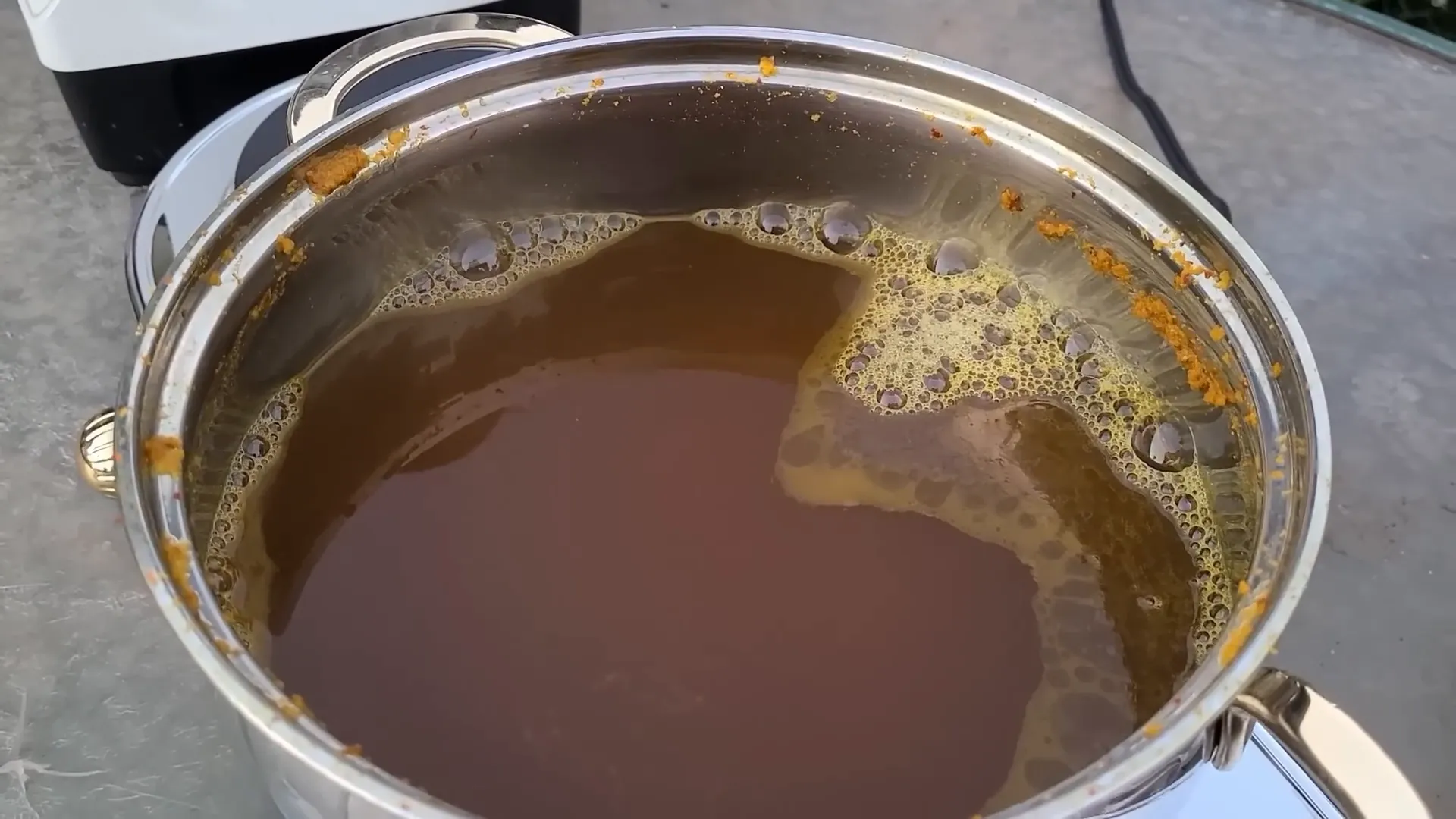
Once it reaches a boil, turn off the heat and let the mixture cool to room temperature. This step is crucial because adding oils and soap to a hot mixture can degrade their effectiveness.
Adding Oil and Soap
Once the mixture has cooled, add three tablespoons of neem oil or your chosen oil (olive, grape seed, or avocado) and 1.5 tablespoons of natural, unscented plant-based soap. The ratio is roughly two parts oil to one part soap.
The soap acts as a surfactant, helping the oil and water mix well and improving the spray’s ability to stick to plant leaves and insects.
Filtering and Diluting Your Super Concentrate
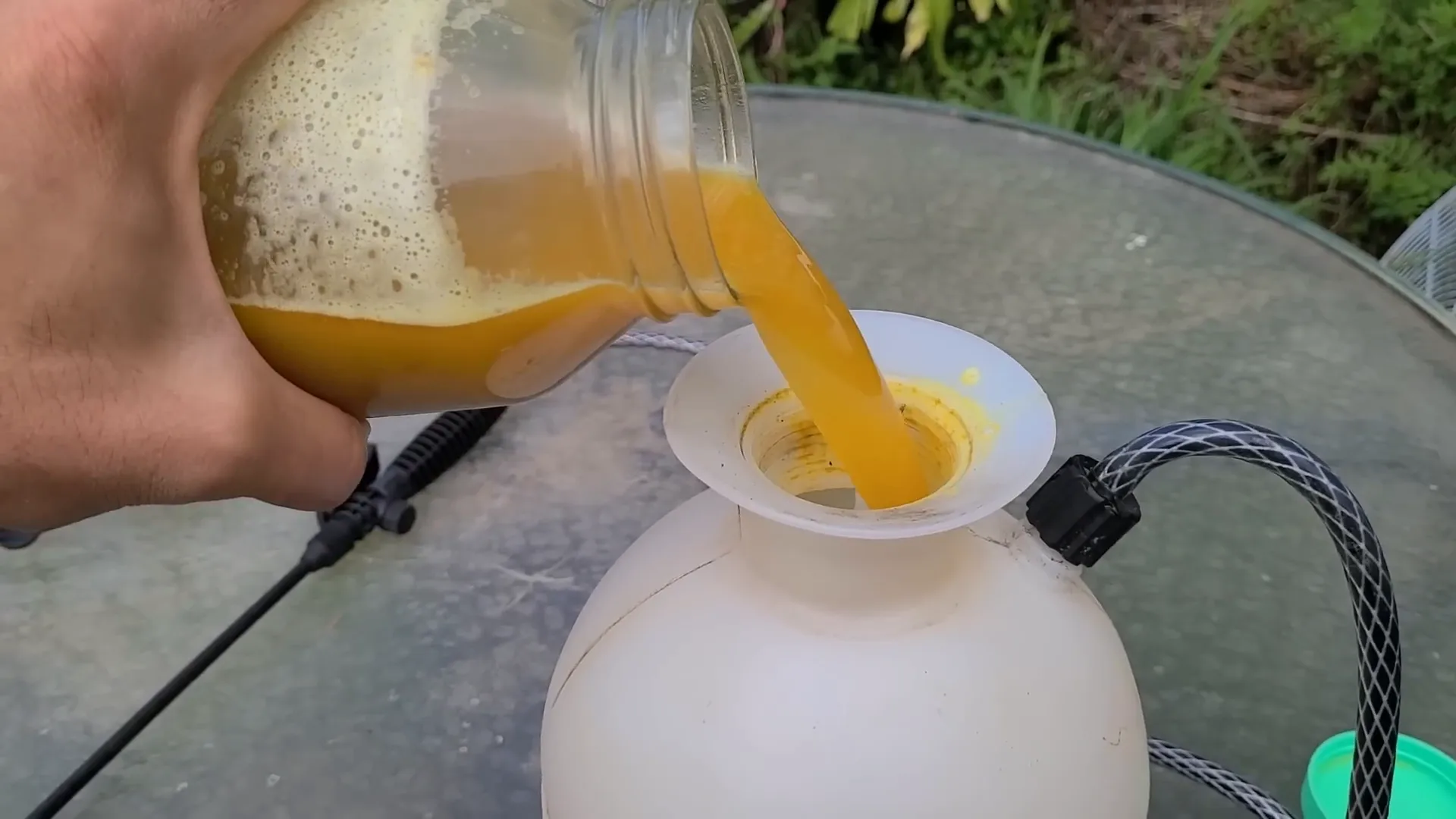
Pour the mixture into a quart jar or container. Before transferring it to your garden sprayer, strain it through a nut milk bag or any fine mesh filter to remove any solid particles that could clog the sprayer nozzle.
Fill your sprayer with three-quarters of a gallon of plain water, then top it off with the filtered concentrate to make a full gallon. This dilution ratio is roughly one part concentrate to three parts water.
Using Your Bug Spray
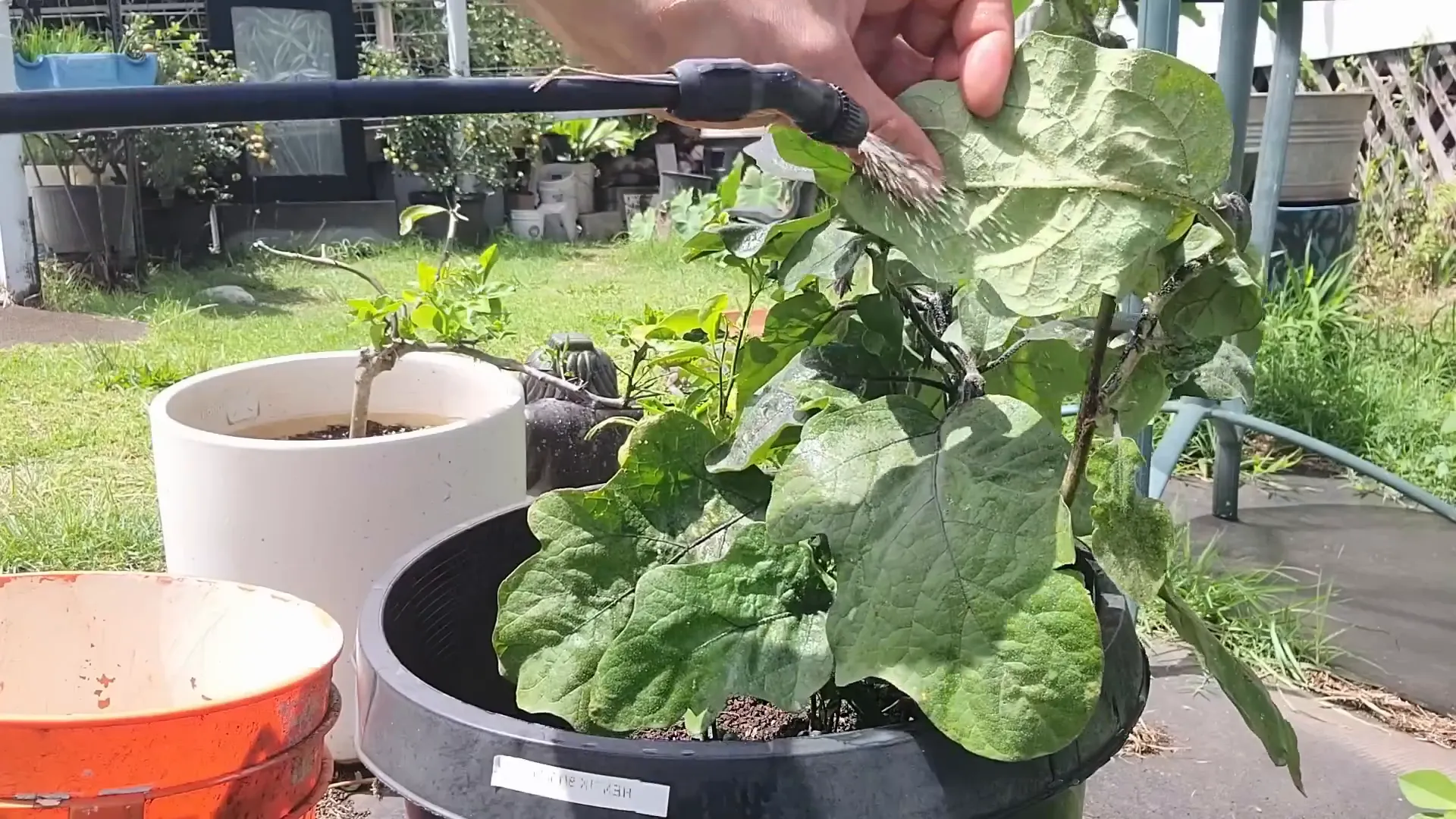
Spray your garden in the early morning, evening, or on a cloudy day to avoid leaf burn. Avoid spraying during the heat of midday or under direct sunlight.
Test the spray on a small section of your plants first before applying it broadly, especially on seedlings or new growth, to ensure your dilution is right and your plants don’t react negatively.
Seeing Results: Bugs Hate This Spray!
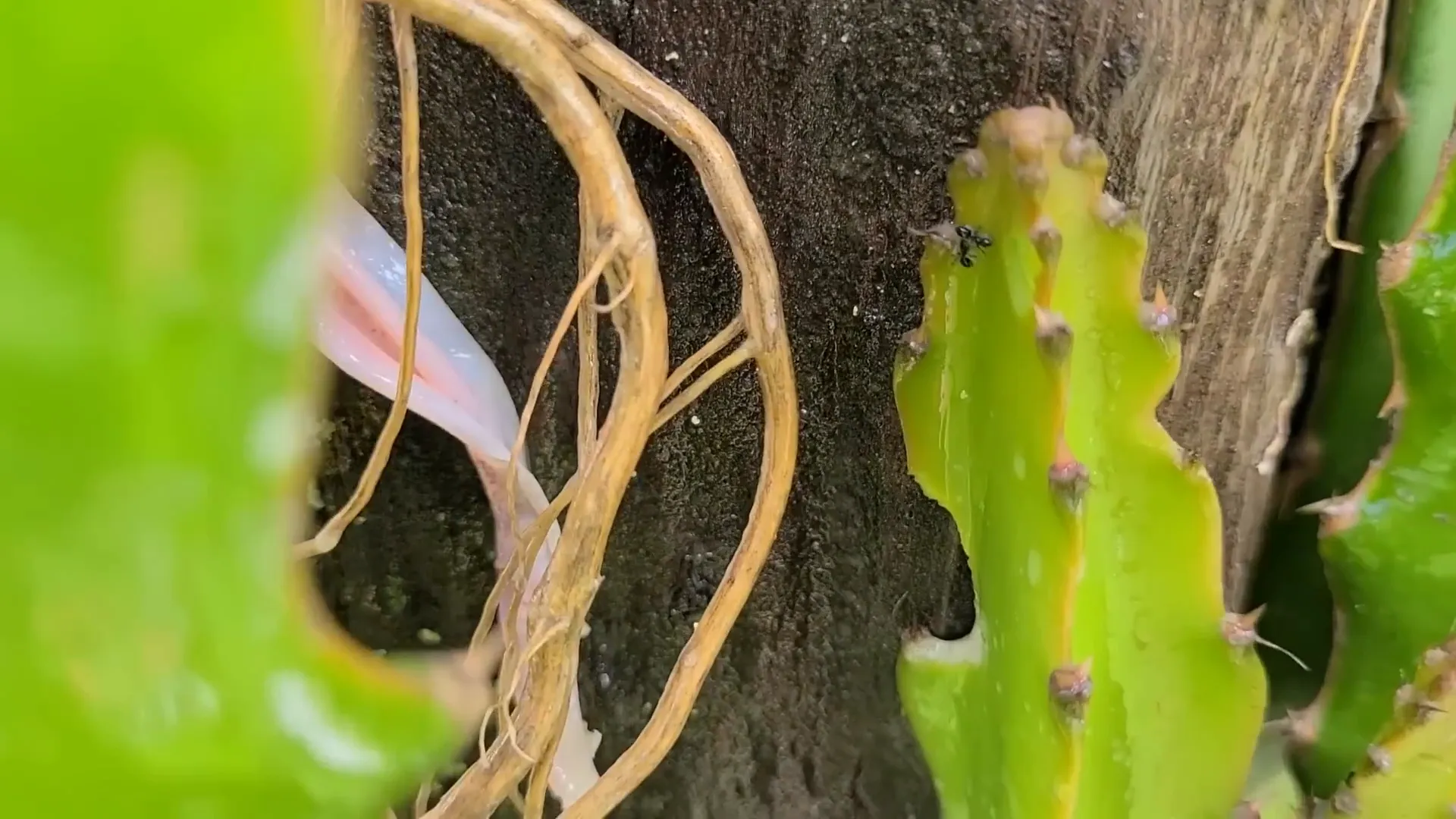
Once sprayed, you’ll notice aphids, ants, caterpillars, and other pests quickly avoid treated areas. For example, black ants that were attacking new dragon fruit shoots swiftly vacated after a few sprays.
The natural ingredients disrupt the insects’ senses and feeding habits, making your garden an unwelcoming place for them.
Optional Secret Ingredient to Supercharge Your Bug Spray
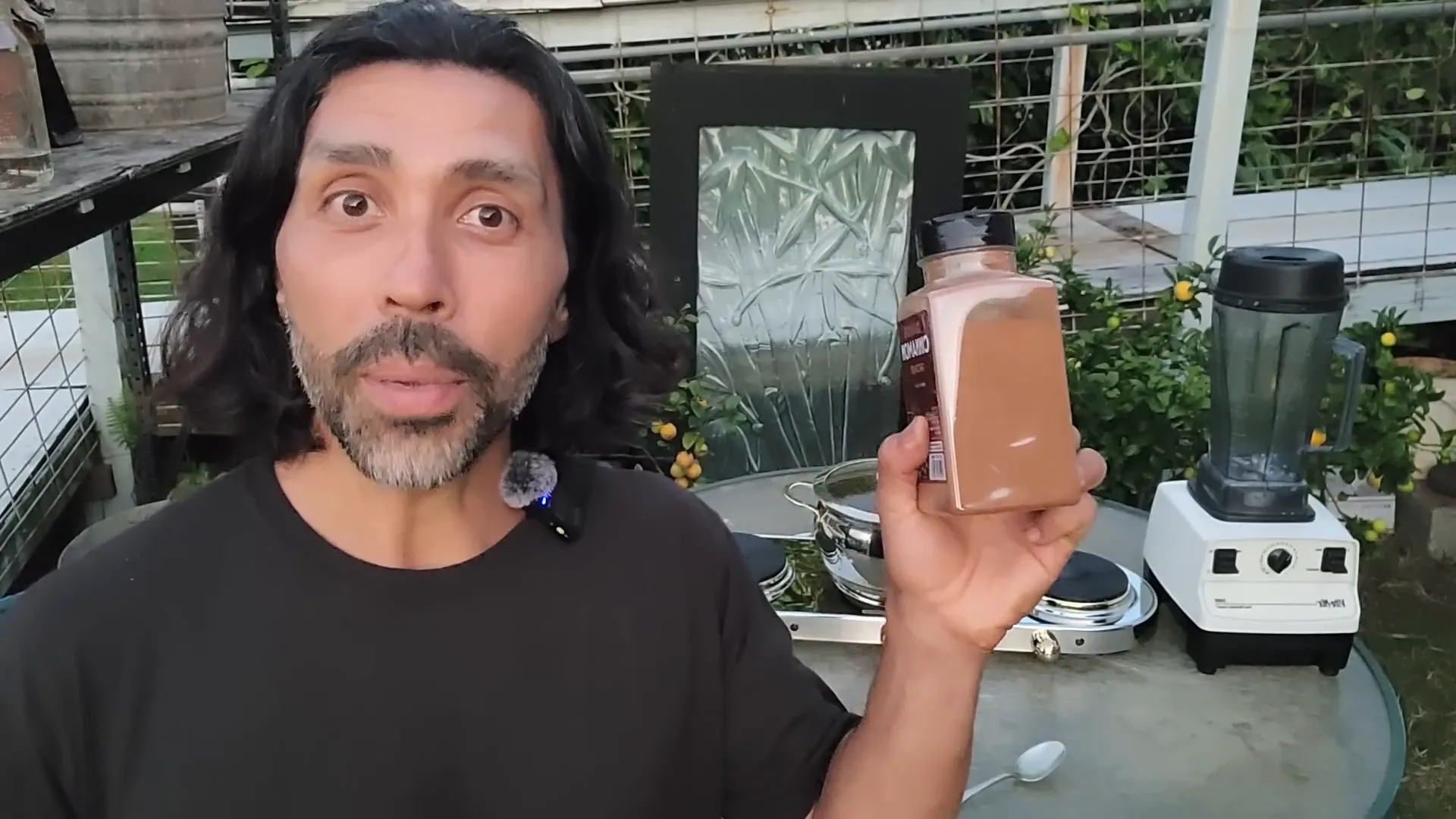
Now for the secret weapon: ground cinnamon. Adding one tablespoon of cinnamon powder to your mixture boosts its insect-repelling power even further.
Cinnamon is disliked by many garden pests including slugs, mites, and various bugs due to its strong scent and natural compounds. By incorporating cinnamon, you create an even more formidable barrier against unwanted invaders.
Tips for Best Results and Plant Safety
- Start with a small test area: Always test your spray on a few leaves before treating your entire garden to avoid potential damage.
- Adjust dilution for sensitive plants: Seedlings and young plants may require a more diluted spray to prevent leaf burn.
- Spray during cooler parts of the day: Early morning or late afternoon helps avoid heat stress on plants.
- Wear protection: Use gloves and eyewear when spraying to avoid irritation from chili and garlic.
- Store concentrate safely: Keep your super concentrate in a sealed container in a cool, dark place for future use.
Frequently Asked Questions (FAQ)
Is this bug spray safe to use on edible plants?
Yes! This spray uses natural, food-grade ingredients and organic oils, making it safe for fruits, vegetables, and herbs. Just be sure to wash your produce before eating.
Can I use this spray on all types of plants?
Most plants tolerate this spray well, but sensitive seedlings or delicate foliage might need a more diluted mix. Always test first.
How often should I apply the bug spray?
Apply every 5-7 days or after heavy rain. Regular applications help keep pests at bay.
Can I use this spray to control fungal diseases?
This spray is primarily an insecticide, but some ingredients like turmeric and neem oil have mild antifungal properties. For heavy fungal issues, consider dedicated fungicides or organic remedies.
What is the shelf life of the homemade bug spray?
The super concentrate stored in a sealed container can last a few weeks in the fridge. Once diluted, use it within a week for best effectiveness.
Final Thoughts
Protecting your garden from pests doesn’t have to involve toxic chemicals or expensive products. With this proven homemade garden bug spray, you can harness the power of natural ingredients to keep your plants healthy and thriving.
By using garlic, onion, chili peppers, turmeric, oils, and an optional dash of cinnamon, you create a potent mix that insects avoid like the plague. Plus, it’s safe, organic, and easy to make with items you probably already have at home.
Remember to always dilute properly, test on a small patch first, and spray during cooler parts of the day to avoid plant stress. With consistent use, you’ll see fewer pests and healthier, more vibrant plants.
If you want to take your healthy lifestyle to the next level, consider downloading my FREE Eat the Rainbow Grocery Shopping List PDF to help you to save time and stay organized when you go grocery shopping.
Happy gardening, and here’s to a pest-free, flourishing garden!

FREE Eat the Rainbow Grocery Shopping List PDF
Stay organized, save time, and simplify your life with my FREE Eat The Rainbow Grocery Shopping List PDF
Yes! I want it